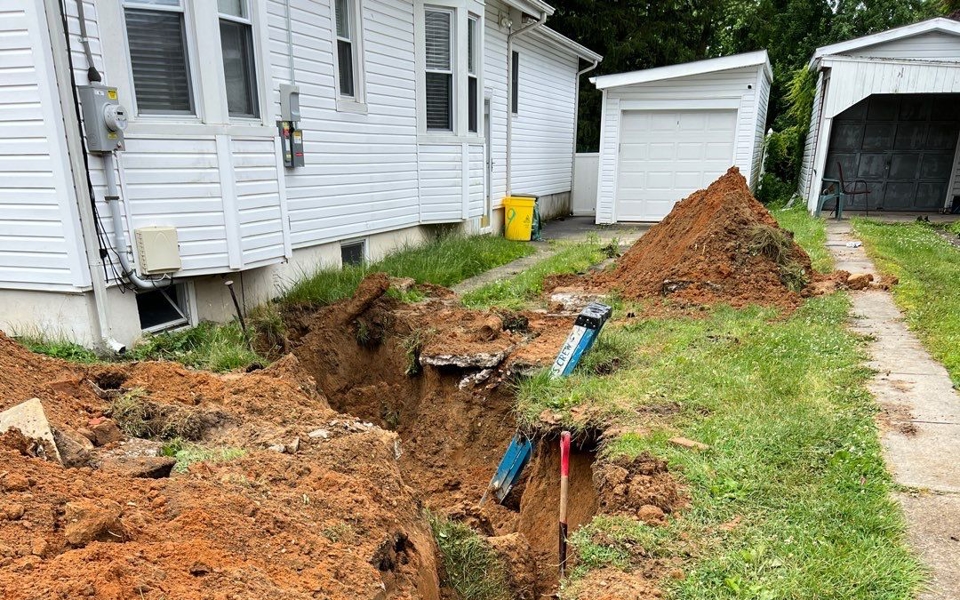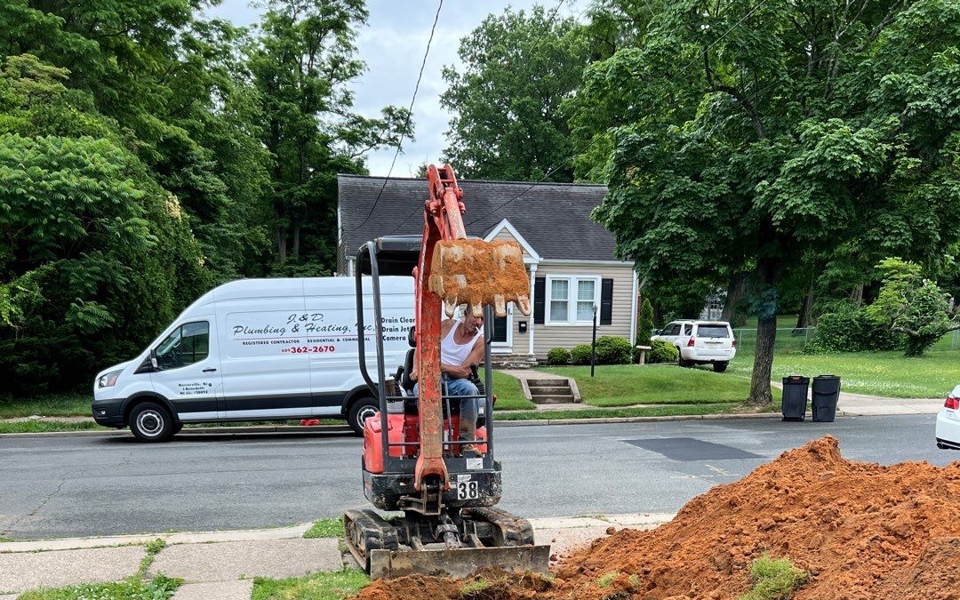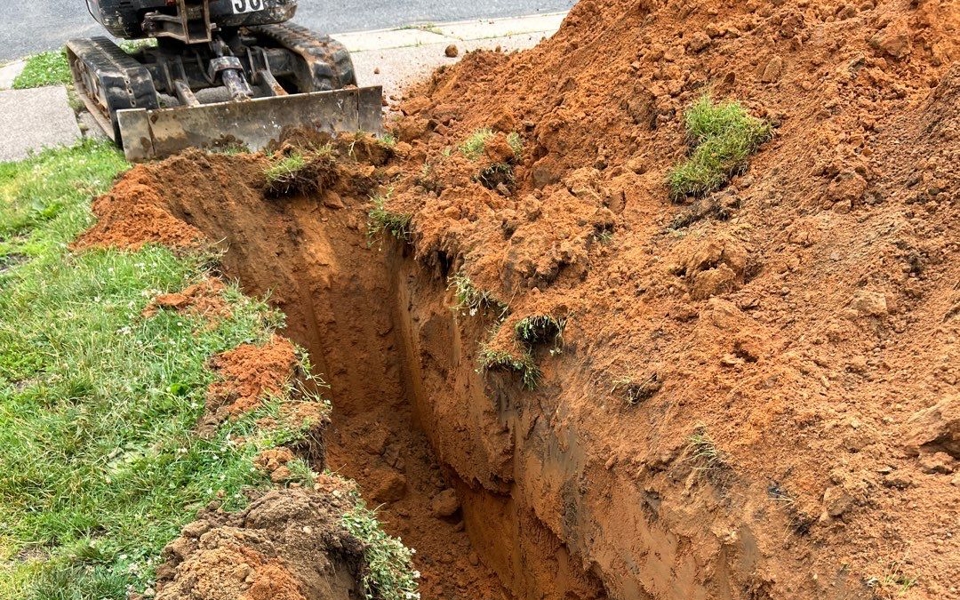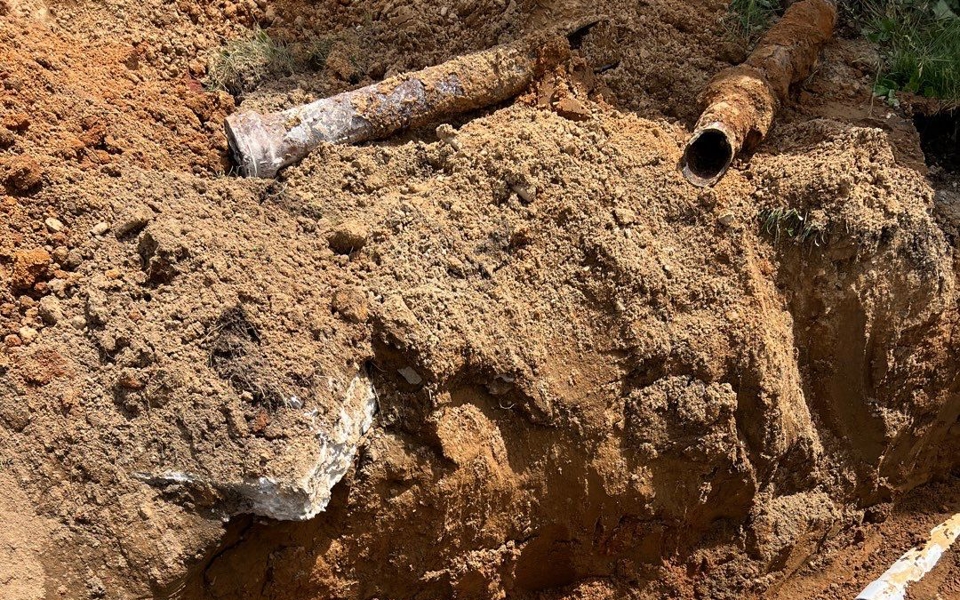
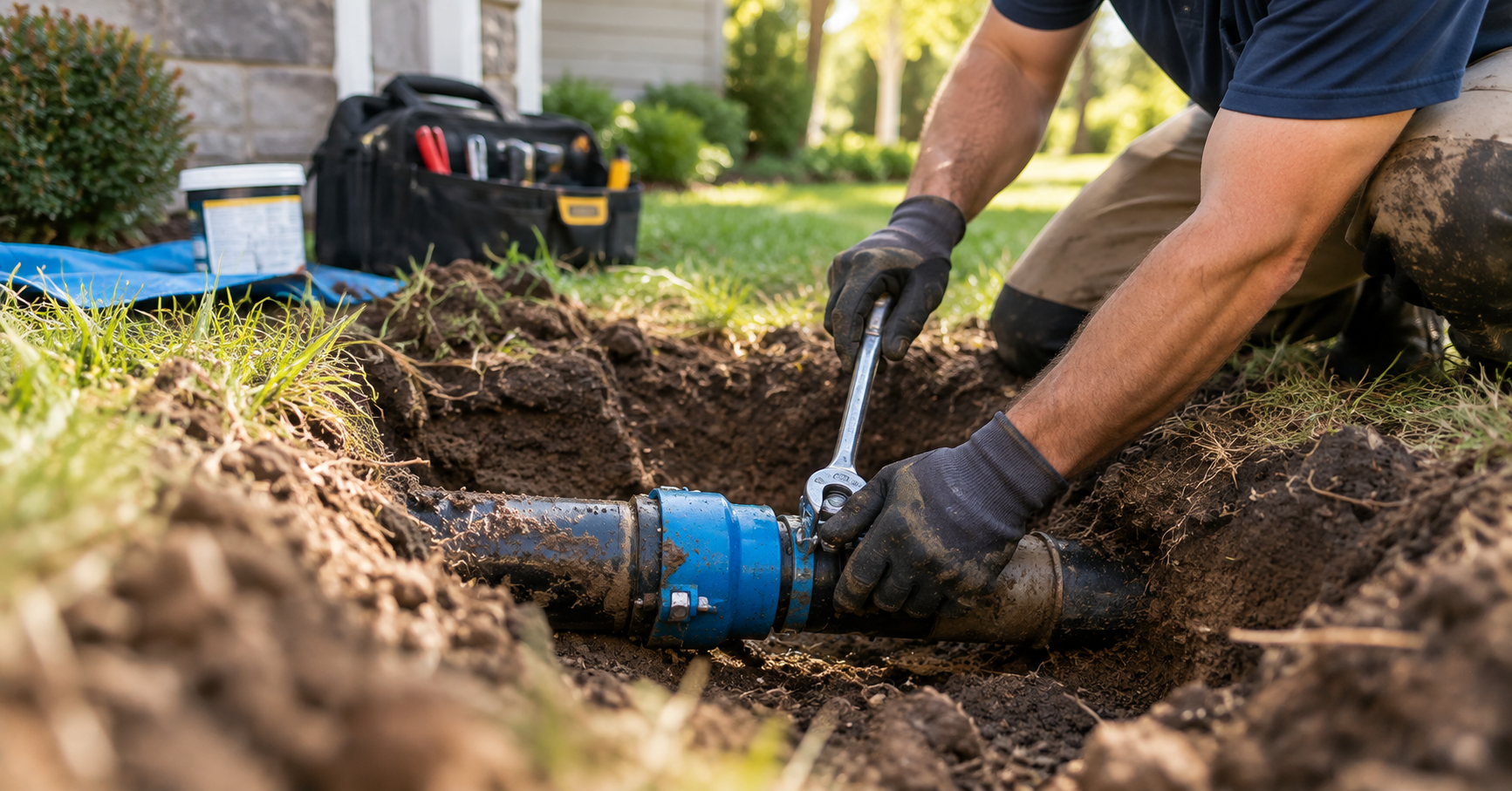
Your main water line is one of the most important parts of your home’s plumbing system. It carries clean water from the municipal supply or private source into your home, giving you water for drinking, bathing, cooking, laundry, and everyday cleaning. When this line becomes damaged, the problem can affect your entire household and may lead to water waste, property damage, low pressure, or expensive repairs. Knowing the signs of main water line damage can help you schedule water line repair before the issue becomes more serious.
What Is the Main Water Line?
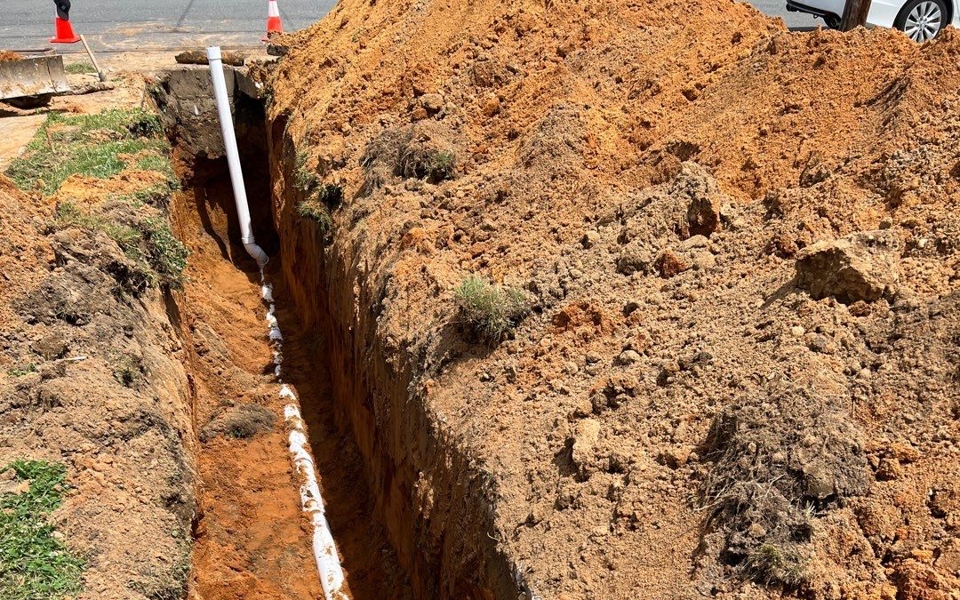
The main water line is the pipe that brings fresh water into your home from the street, well, or service connection. Unlike a single fixture line that serves one sink, toilet, or appliance, the main line affects water flow throughout the whole property. If it develops a leak, crack, blockage, or break, you may notice problems in several areas of the home at once. Because much of the line is underground, warning signs are often easy to miss until the damage grows.
Sudden Drop in Water Pressure
A noticeable drop in water pressure can be one of the first signs of a damaged main water line. If every faucet, shower, and appliance seems weaker than usual, the issue may not be limited to one fixture. Water could be escaping through a crack or break before it reaches the home, reducing pressure throughout the plumbing system. If low pressure appears suddenly or continues getting worse, it is a good idea to schedule a professional inspection.
Unexplained Increase in Your Water Bill
A higher water bill without a clear reason can point to a hidden leak in the main water line. Even a small underground leak can waste a large amount of water over time. If your household habits have not changed but your water usage keeps rising, the plumbing system may be losing water somewhere before it reaches your fixtures. Comparing recent bills to past months can help you spot unusual changes early.
Wet Spots in the Yard
Since the main water line often runs underground, damage may show up outside before it appears inside the home. Soggy patches, standing water, or muddy areas in the yard can be a sign that water is leaking below the surface. These wet spots may appear even when it has not rained recently. If one area of the lawn stays soft or damp, a damaged water line could be the cause.
Puddles Near the Foundation
Water collecting near your home’s foundation should always be taken seriously. A leaking main water line can allow water to pool around the base of the house, which may lead to soil movement, moisture intrusion, or foundation concerns over time. Even if the puddle seems small, repeated moisture in the same area can create larger problems. Water line repair can help stop the leak and reduce the risk of structural or moisture damage.
Discolored Water From Faucets
Discolored water can sometimes be linked to issues inside the main water line. If the water appears brown, yellow, rusty, or cloudy, sediment or corrosion may be entering the supply. This can happen when an older pipe is deteriorating or when a damaged section allows debris to get inside. While discoloration can have other causes, it should be checked if it happens often or affects multiple fixtures.
Air in the Plumbing Lines
Air sputtering from faucets can be another sign that something is wrong with the main water line. When a pipe is cracked or damaged, air may enter the plumbing system and cause faucets to spit, sputter, or release uneven bursts of water. You may notice this most when first turning on a sink or shower. If the issue happens throughout the home, it may point to a problem with the main line rather than one fixture.
Sounds of Running Water
If you hear water running when no fixtures or appliances are in use, there may be a hidden leak somewhere in the plumbing system. A damaged main water line can create faint hissing, rushing, or trickling sounds behind walls, under floors, or outside near the service line. One simple way to check is to make sure all water is turned off, then listen carefully in quiet areas of the home. Persistent running water sounds should be inspected by a plumber as soon as possible.
Cracks in Driveways or Walkways
Main water line leaks can affect more than your lawn. When water escapes underground, it can wash away soil beneath driveways, sidewalks, patios, and walkways. Over time, this can lead to sinking, cracking, uneven surfaces, or soft ground around hardscaping. If you notice new cracks or settling near the path of your water line, hidden water damage may be contributing to the problem.
Mold, Mildew, or Musty Odors
A hidden water line leak can create damp conditions that encourage mold and mildew growth. You may notice a musty smell in the basement, crawl space, utility room, or near walls and floors where moisture is present. Even if the leak is outside, water can sometimes migrate toward the home and affect indoor areas. Mold and mildew should not be ignored because they may indicate ongoing moisture that needs to be addressed.
Water Meter Keeps Running
Your water meter can provide a helpful clue when looking for main water line damage. Turn off all faucets, fixtures, appliances, irrigation systems, and water-using equipment, then check whether the meter continues to move. If it does, water may be leaking somewhere in the system. A plumber can help determine whether the leak is in the main line, an irrigation line, or another hidden area.
Older Pipes and Aging Materials
Older homes may have water lines made from materials that are more likely to corrode, crack, or fail over time. Age, soil conditions, shifting ground, water pressure, and weather changes can all affect the life of a main water line. If your home has older plumbing and you are noticing low pressure, discolored water, or recurring leaks, the main line may be wearing out. Preventive inspection can help identify weak points before a complete failure occurs.
Tree Root Damage
Tree roots can cause serious problems for underground plumbing lines. Roots naturally grow toward moisture, and even a small leak or weak joint can attract them. Over time, roots can press against the pipe, enter small openings, or cause shifting that leads to cracks and breaks. If you have large trees near the water line and repeated plumbing concerns, root damage may be part of the issue.
Soil Movement and Ground Shifting
Main water lines can also be damaged by shifting soil, erosion, construction activity, or changes in the ground around your home. Heavy rain, drought, settling soil, or nearby excavation can put pressure on underground pipes. This movement may cause joints to separate, pipes to crack, or sections to become misaligned. If water problems appear after landscaping, construction, or extreme weather, the main line should be evaluated.
Why Professional Leak Detection Matters
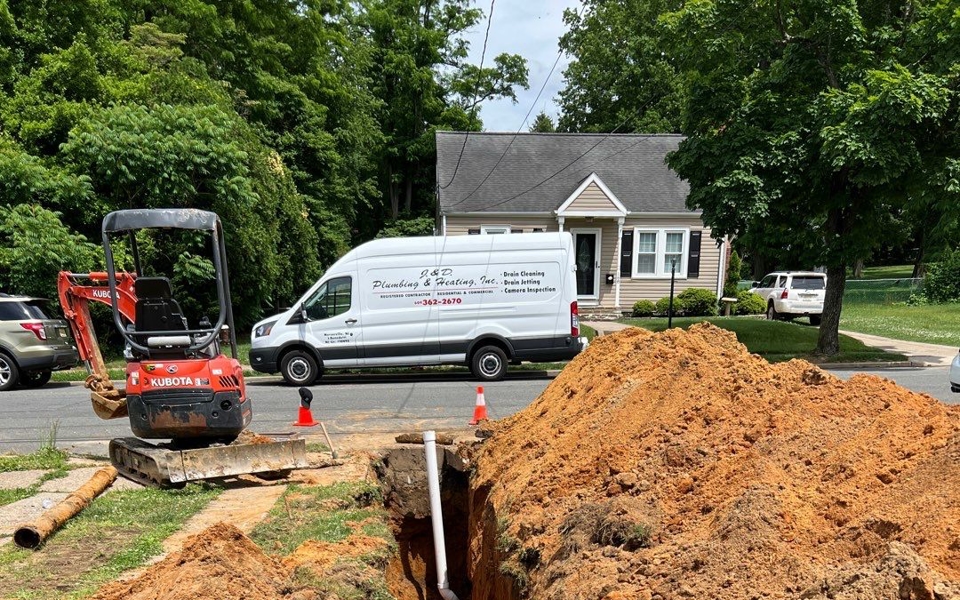
Main water line problems can be difficult to locate without the right tools. Professional plumbers may use leak detection equipment, pressure testing, and inspection methods to find the source of the problem with less disruption to the property. This helps avoid unnecessary digging and allows the repair plan to target the damaged area. Accurate diagnosis is important because the right solution depends on the location, size, and cause of the damage.
Protect Your Home With Timely Water Line Repair
A damaged main water line can lead to low water pressure, high utility bills, soggy yards, foundation moisture, discolored water, and costly property damage. The sooner you recognize the warning signs, the easier it may be to repair the issue before it becomes an emergency. If you notice unexplained water problems inside or outside your home, do not wait for the damage to get worse. Scheduling professional water line repair can help protect your plumbing system, your property, and your peace of mind.