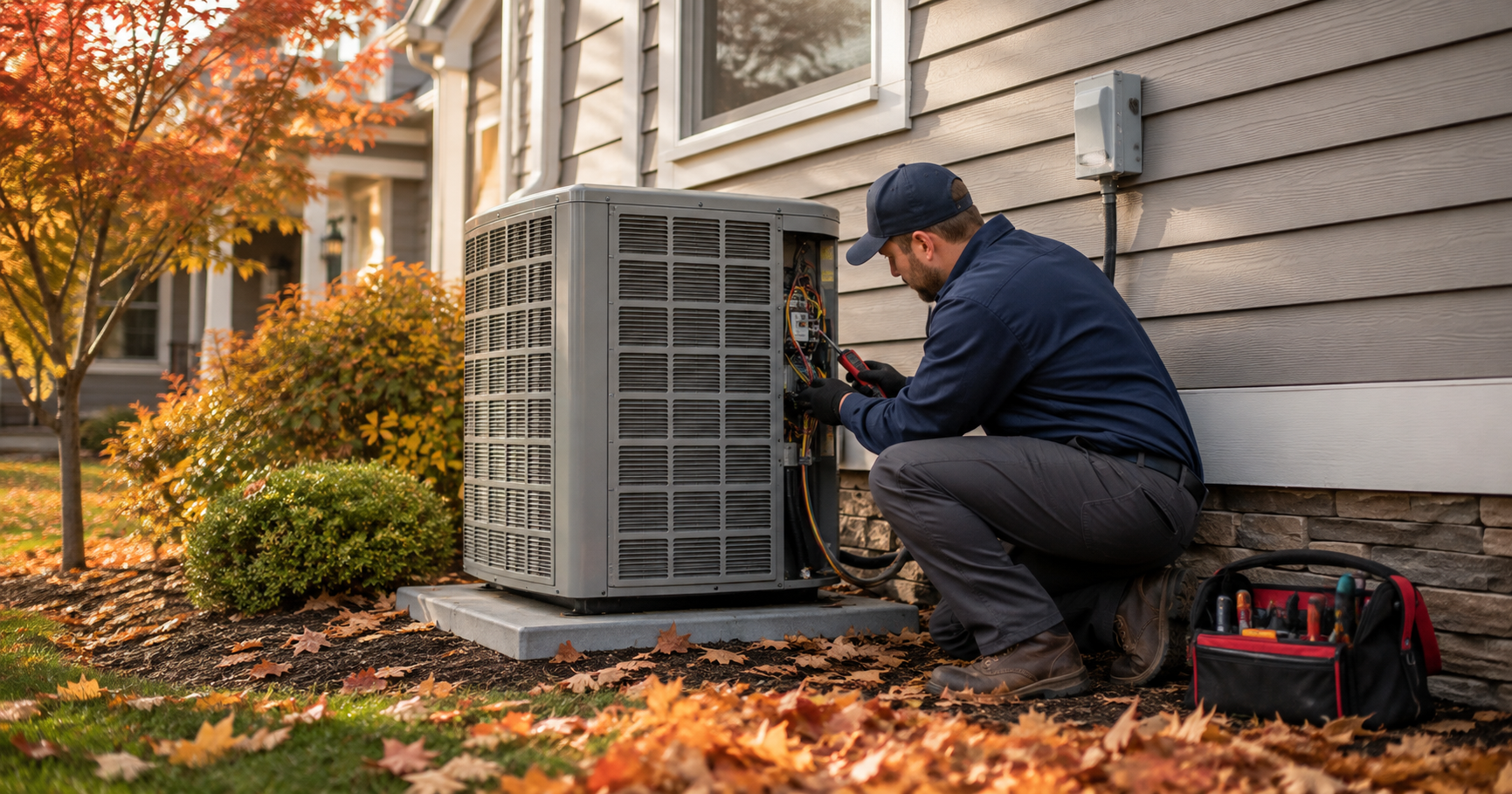
Fall is one of the best times for Central New Jersey homeowners to prepare their HVAC systems for colder weather. After a long summer of heavy air conditioning use, your system needs attention before it switches into heating mode for the season. A fall HVAC maintenance checklist can help you improve comfort, reduce the risk of unexpected breakdowns, and keep your home running more efficiently. By taking care of key heating and cooling tasks early, you can head into winter with more confidence and fewer surprises.
Replace or Clean the Air Filter
The air filter is one of the simplest but most important parts of HVAC maintenance. A dirty filter restricts airflow, makes the system work harder, and can affect indoor air quality throughout your home. Central New Jersey homeowners should check filters regularly, especially after summer when dust, pollen, and pet dander may have built up. Replacing or cleaning the filter in fall helps your heating system start the season with better airflow and less strain.
Test the Thermostat
Before cold weather settles in, test your thermostat to make sure it responds properly. Switch the system from cooling to heating and listen for the unit to start within a reasonable amount of time. If the temperature reading seems inaccurate or the system cycles on and off too often, the thermostat may need new batteries, recalibration, or replacement. A programmable or smart thermostat can also help manage comfort and energy use during New Jersey’s changing fall temperatures.
Schedule a Professional HVAC Tune-Up
A professional fall HVAC tune-up is one of the best ways to catch small problems before they become costly repairs. During a maintenance visit, a technician can inspect electrical connections, burners, blower components, safety controls, refrigerant lines, and other important system parts. This is especially helpful in Central New Jersey, where winter temperatures can put steady demand on heating equipment. Scheduling service before the first major cold snap can help you avoid the seasonal rush and make sure your system is ready.
Inspect the Furnace or Heating System
Your heating system should be inspected before it runs daily. Furnaces, heat pumps, and other heating units can collect dust, wear, or minor issues while sitting unused during warmer months. A fall inspection can help identify problems such as ignition trouble, dirty burners, worn belts, or unusual sounds. Taking care of these concerns early can help your system heat your home more safely and reliably.
Check Vents and Registers
Blocked vents and registers can make your HVAC system less effective and cause uneven temperatures from room to room. Walk through your home and make sure furniture, rugs, curtains, or storage items are not blocking airflow. Open supply and return vents so the system can circulate air properly throughout the house. This small step can improve comfort and help reduce unnecessary strain on your heating equipment.
Clean Around Indoor HVAC Equipment
The area around your furnace, air handler, or indoor HVAC unit should be clean and clear. Boxes, cleaning products, laundry, and household clutter should be kept away from the equipment to allow safe airflow and easier access for service. Dust and debris around the unit can also find their way into the system and reduce performance. Keeping the area tidy helps your HVAC system operate more safely and makes future maintenance easier.
Clear Debris Around the Outdoor Unit
Even in fall, your outdoor HVAC unit needs attention. Leaves, branches, grass clippings, dirt, and other debris can collect around the unit and restrict airflow. Central New Jersey homes often deal with heavy leaf drop during autumn, so clearing the area around the equipment is especially important. Leave open space around the unit so air can move freely and the system can operate properly.
Listen for Unusual Noises
Fall is a good time to pay attention to sounds your HVAC system makes when it starts heating. Grinding, banging, rattling, squealing, or humming noises can point to loose parts, motor problems, belt issues, or airflow restrictions. These sounds should not be ignored because they often get worse with regular use. Calling for service early can help prevent a minor repair from becoming a mid-winter breakdown.
Watch for Uneven Heating
If some rooms feel warm while others stay chilly, your HVAC system may need attention. Uneven heating can be caused by dirty filters, duct problems, blocked vents, poor insulation, thermostat issues, or an aging system. Central New Jersey homes with older layouts or additions may be especially prone to hot and cold spots. A technician can help determine whether the issue comes from the HVAC system, ductwork, or another part of the home.
Check Carbon Monoxide Detectors
Carbon monoxide safety is especially important during heating season. If your home uses a gas furnace, boiler, fireplace, or other fuel-burning appliance, working carbon monoxide detectors are essential. Test your detectors in the fall, replace batteries if needed, and check the expiration date on each unit. If a detector sounds or you suspect carbon monoxide, leave the home immediately and contact emergency services.
Inspect Ductwork for Visible Issues
Ductwork plays a major role in moving heated air throughout your home. Leaky, disconnected, dusty, or poorly insulated ducts can reduce comfort and make the system work harder than necessary. While homeowners can look for visible gaps, loose connections, or damaged insulation in accessible areas, deeper duct issues often require professional inspection. Addressing duct problems can improve airflow, comfort, and overall HVAC performance.
Seal Drafts Around Windows and Doors
Your HVAC system has to work harder when warm air escapes through gaps around windows and doors. Fall is a smart time to check for drafts and add weatherstripping or caulk where needed. This is especially helpful in Central New Jersey homes that experience cold winter winds and fluctuating temperatures. Reducing drafts supports better indoor comfort and can help your heating system run more efficiently.
Review Your Energy Bills
Energy bills can reveal signs of HVAC trouble before a system failure happens. If your heating or cooling costs have increased without a clear reason, your system may be working harder than it should. Dirty filters, worn parts, duct leaks, thermostat problems, and aging equipment can all contribute to higher utility costs. Reviewing your bills in the fall gives you a chance to spot changes and schedule service before winter demand increases.
Consider Indoor Air Quality Upgrades
Fall and winter often mean more time indoors with windows closed, which can make indoor air quality more noticeable. Dust, pet dander, pollen, dry air, and stale air can affect comfort, especially for households with allergies or respiratory concerns. HVAC upgrades such as better filtration, humidifiers, air purifiers, or ventilation solutions may help improve the indoor environment. A professional can recommend options based on your home, system, and comfort needs.
Know When Replacement May Be Needed
Fall maintenance can also help you decide whether your HVAC system is nearing the end of its useful life. If your system needs frequent repairs, struggles to heat evenly, makes loud noises, or causes rising energy bills, replacement may be worth considering. Older heating systems may not perform as efficiently or reliably as newer models. Planning ahead gives you more time to compare options instead of making a rushed decision during a breakdown.
Get Your HVAC System Ready for Winter
A fall HVAC maintenance checklist helps Central New Jersey homeowners prepare for colder weather before heating season is in full swing. Replacing filters, testing the thermostat, clearing vents, checking safety devices, and scheduling professional maintenance can all support better comfort and reliability. Taking these steps now can reduce the chance of emergency repairs and help your system perform when you need it most. With a well-maintained HVAC system, your home can stay warmer, safer, and more comfortable throughout the winter.