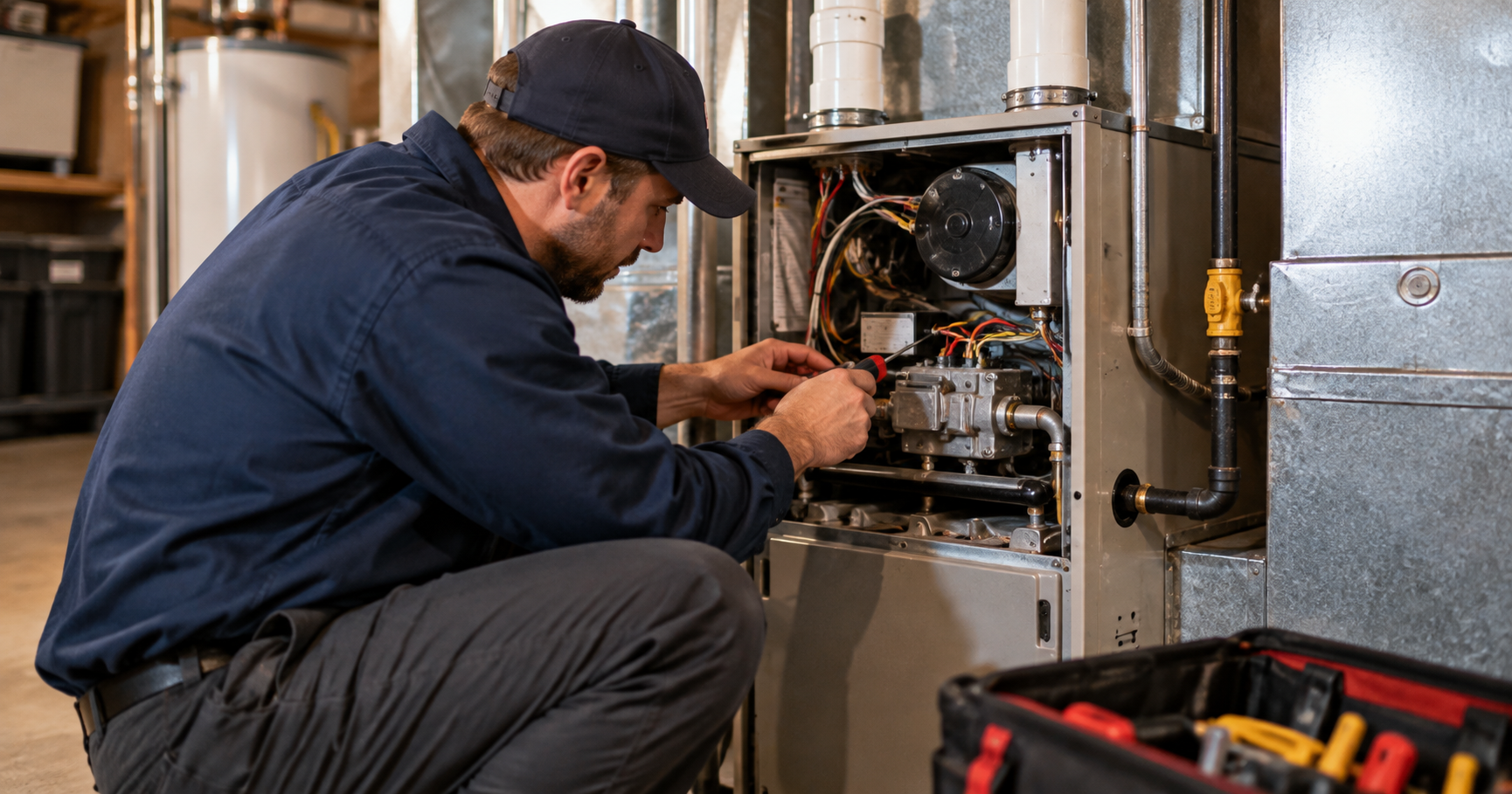
As temperatures begin to drop, your heating system becomes one of the most important parts of your home. A reliable furnace, boiler, or heat pump helps keep your family comfortable and protects your home during the coldest months of the year. However, heating problems often begin with small warning signs before turning into larger, more expensive issues. Paying attention to these early indicators can help you schedule repairs, improve efficiency, and avoid unexpected breakdowns when you need heat the most.
Strange Noises Coming From Your Heating System
Your heating system should operate with a consistent, familiar sound. While some normal clicking or airflow noise is expected, unusual sounds can indicate that something needs attention. Banging, rattling, squealing, grinding, or popping noises may point to loose components, worn parts, airflow problems, or mechanical issues.
Ignoring strange noises can allow a minor problem to become a major repair. If your heating system begins making sounds that are different from its normal operation, it is best to have a professional inspect the unit before winter arrives. Early repairs can help prevent equipment damage and keep your system running efficiently.
Uneven Heating Throughout Your Home
A properly functioning heating system should provide consistent warmth throughout your living spaces. If some rooms feel comfortable while others remain cold, there may be an issue affecting your system’s performance. Uneven heating can be caused by problems with ductwork, thermostat settings, insulation, airflow, or the heating unit itself.
Cold spots throughout your home may also indicate that your system is struggling to distribute heat effectively. Addressing these issues before winter can improve comfort and help your heating system avoid working harder than necessary.
Rising Energy Bills Without Increased Usage
An unexpected increase in your heating costs can be a sign that your system is losing efficiency. As heating equipment ages or develops problems, it often requires more energy to maintain the same temperature. Dirty filters, worn components, poor airflow, and outdated systems can all contribute to higher utility bills.
Monitoring your energy expenses can help you identify changes in your system’s performance. If your heating bills continue to rise despite normal usage, scheduling an inspection can help determine whether repairs or improvements are needed.
Frequent Cycling or Short Running Times
Your heating system should complete regular heating cycles to maintain a comfortable indoor temperature. If the system turns on and off repeatedly in short periods, it may be experiencing a problem known as short cycling. This issue can place unnecessary stress on the equipment and reduce its overall lifespan.
Short cycling can result from several issues, including thermostat problems, clogged filters, improper sizing, or mechanical failures. Having the problem addressed early can improve efficiency, reduce wear, and prevent more serious heating problems.
Weak or Limited Airflow From Vents
Strong, consistent airflow is essential for effective heating. If you notice weak airflow from your vents, your home may not warm properly even when your heating system is running. Restricted airflow can be caused by dirty filters, blocked ducts, blower motor problems, or other system issues.
Replacing filters regularly is one of the easiest ways to support better airflow and system performance. However, if airflow problems continue after basic maintenance, a professional evaluation may be necessary to identify the underlying cause.
Unusual Odors During Operation
New or unusual smells coming from your heating system should never be ignored. A slight dusty smell may occur when turning on your heat for the first time of the season, but persistent odors can signal a problem. Burning smells, electrical odors, or unusual fumes may indicate issues with wiring, overheating components, or other safety concerns.
If you notice strange odors while your heating system is running, turn off the equipment and schedule an inspection. Addressing these warning signs quickly helps protect your home and ensures safer operation.
Your Heating System Is Older or Requires Frequent Repairs
Most heating systems have a limited lifespan, and older equipment may become less reliable over time. If your furnace, boiler, or heat pump is reaching the end of its expected service life or requires frequent repairs, it may be time to consider replacement options.
Repeated service calls can become expensive, and older systems often operate less efficiently than newer models. A professional can evaluate your current system and help determine whether repairs or a new energy-efficient installation would be the better investment.
Thermostat Problems Affecting Comfort
Your thermostat plays an important role in controlling your home’s temperature. If your heating system does not respond properly to thermostat settings, the issue may not be with the heating unit itself. Faulty sensors, outdated thermostats, or wiring problems can prevent your system from maintaining consistent comfort.
Upgrading to a programmable or smart thermostat can improve temperature control and help reduce energy waste. Before winter arrives, make sure your thermostat is working properly and accurately communicating with your heating system.
Schedule Heating Maintenance Before Cold Weather Arrives
Preventive maintenance is one of the best ways to prepare your heating system for winter. A professional tune-up can identify potential problems, clean important components, improve efficiency, and help extend the life of your equipment.
Scheduling maintenance before temperatures drop ensures your system is ready when you need it most. Regular inspections also provide peace of mind by reducing the risk of unexpected breakdowns during the coldest days of the year.
Keep Your Home Warm and Comfortable This Winter
Recognizing heating system warning signs early can save you from costly repairs and uncomfortable disruptions during winter. Strange noises, uneven heating, higher energy bills, poor airflow, and frequent repairs are all signals that your system may need attention.
By scheduling maintenance, addressing issues quickly, and keeping your heating equipment in good condition, you can enjoy a warmer and more efficient home all season long. Preparing your system before winter arrives helps ensure reliable comfort when temperatures begin to fall.