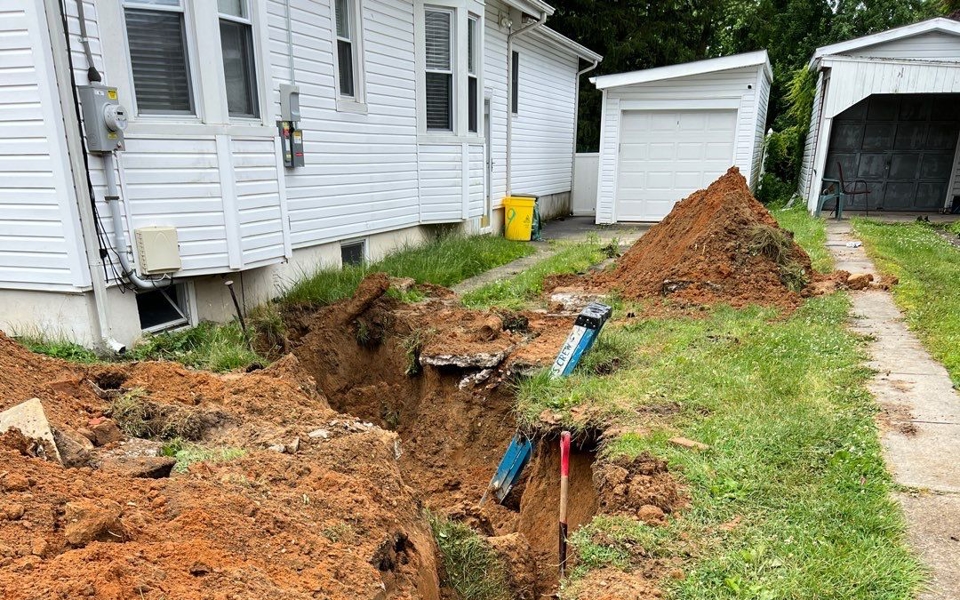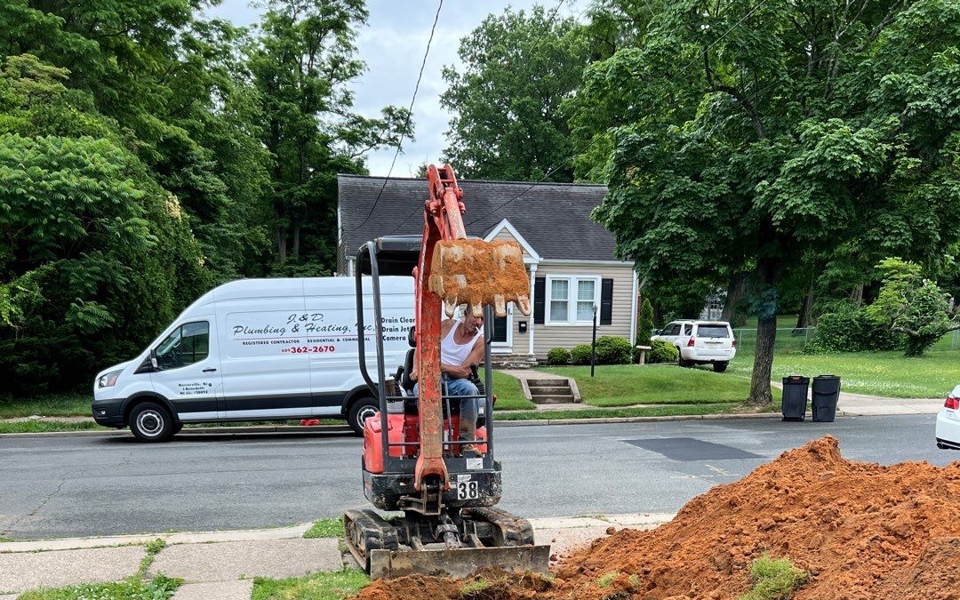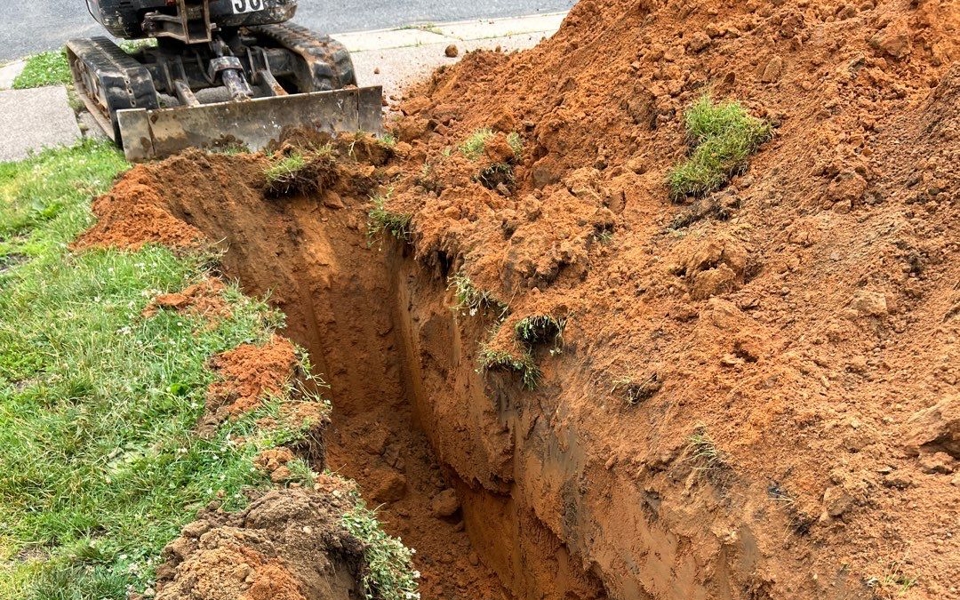

A sewer line problem is one of those home issues that can quickly go from inconvenient to expensive if it is ignored. Because the sewer line is buried underground, many homeowners do not think about it until there is a backup, foul odor, or major plumbing failure. The good news is that sewer line problems often show warning signs before they turn into an emergency. Knowing what to look for can help you schedule sewer line repair early and avoid water damage, health concerns, and costly cleanup.
Slow Drains Throughout the Home
One slow drain may point to a simple clog in a sink, tub, or shower, but slow drains throughout the home can be a sign of a deeper sewer line issue. When multiple fixtures drain slowly at the same time, wastewater may not be moving properly through the main sewer line. This can happen because of buildup, tree roots, pipe damage, or a blockage forming underground. If plungers and drain cleaners are not solving the problem, it may be time to have the sewer line inspected.
Frequent Drain Clogs
Recurring clogs are another warning sign that your sewer line may need repair. If the same drains keep backing up after being cleared, the issue may not be limited to the fixture itself. A damaged or blocked sewer line can cause waste, toilet paper, grease, and debris to collect and create repeated plumbing problems. Professional sewer line repair can address the source of the issue instead of temporarily clearing the symptoms.
Gurgling Sounds From Drains or Toilets
Gurgling sounds coming from toilets, sinks, showers, or tubs can mean air is trapped in the plumbing system. This often happens when wastewater cannot flow freely through the sewer line. As water tries to move around a blockage or damaged section of pipe, air bubbles can push back through the drains and create unusual noises. If these sounds happen often, especially after flushing a toilet or running water, it is worth scheduling a sewer line inspection.
Sewage Odors Inside or Outside the Home
A healthy plumbing system should not smell like sewage. If you notice foul odors near drains, toilets, the basement, crawl space, yard, or exterior cleanout, there may be a crack, leak, or blockage in the sewer line. Sewer gas can escape through damaged pipes or dried-out plumbing traps, and it should never be ignored. Strong or persistent sewage odors are a clear sign that something is wrong and should be checked by a plumbing professional.
Water Backing Up Into Fixtures
One of the most serious signs of a sewer line problem is water backing up into sinks, tubs, showers, or toilets. For example, you may flush a toilet and notice water rising in the bathtub or hear bubbling from a nearby drain. This can happen when wastewater has nowhere to go because the main sewer line is blocked or damaged. Backup issues can create unsanitary conditions, so they should be handled quickly before they become a larger emergency.
Wet Spots or Soggy Areas in the Yard
A damaged sewer line can leak wastewater into the soil around your home. If you notice soggy patches, standing water, or unusually wet areas in the yard when it has not rained, the sewer line may be leaking underground. These spots may also have a strong odor or attract insects. Sewer line repair can help stop the leak, protect your property, and prevent the problem from spreading.
Extra Green or Fast-Growing Grass
While a greener patch of grass may seem like a good thing, it can sometimes point to a sewer line leak. Wastewater acts like fertilizer, causing grass above the damaged pipe to grow faster or look more vibrant than the surrounding lawn. This is especially concerning if the area is also soft, wet, or smelly. A sudden change in one part of the yard can be an early warning that the sewer line needs attention.
Foundation Cracks or Sinkholes
A leaking sewer line can wash away soil beneath your yard, driveway, or foundation over time. As the ground shifts, you may notice cracks in the foundation, uneven concrete, low spots in the lawn, or small sinkholes forming. These signs can point to a serious underground plumbing problem that has already started affecting the property. Addressing sewer line damage early can help prevent more extensive structural and landscape repairs.
Mold or Mildew Growth
Sewer line leaks can create hidden moisture problems inside the home, especially near floors, walls, basements, or crawl spaces. If you notice mold or mildew growth along with a musty or sewage-like odor, the problem may be more than normal humidity. Moisture from a leaking pipe can damage building materials and create unhealthy indoor conditions. A plumbing inspection can help determine whether the sewer line is contributing to the issue.
Pest Problems Around the Property
Rodents, flies, cockroaches, and other pests are often attracted to sewer line leaks and wastewater. If you are suddenly seeing more pests around drains, the yard, basement, or crawl space, a damaged sewer line could be part of the problem. Cracks in sewer pipes can also give pests a pathway into the plumbing system and, in some cases, into the home. Repairing damaged pipes can help remove the source that is attracting them.
Older Sewer Pipes
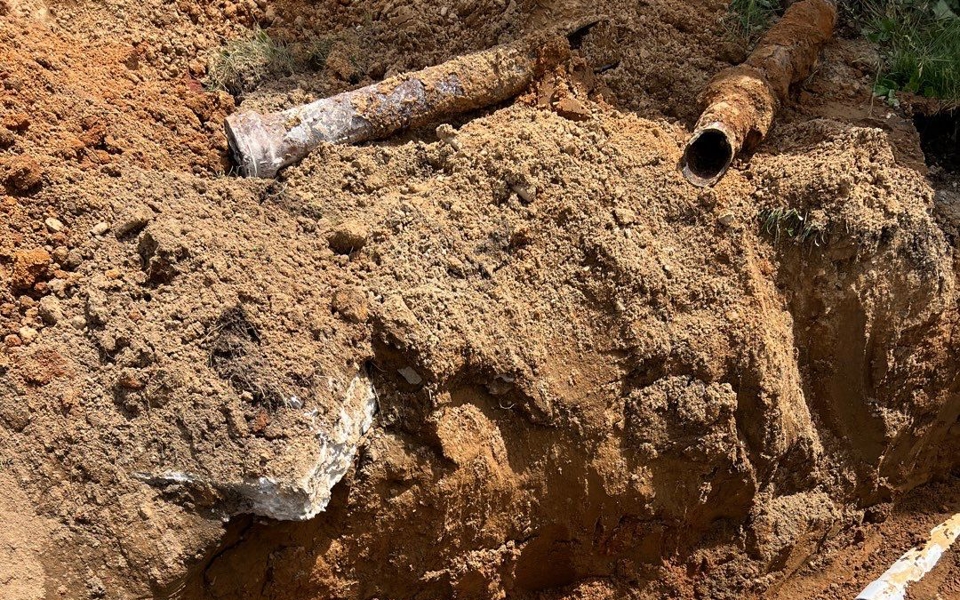
Age is a major factor in sewer line problems. Older pipes may be made from clay, cast iron, or other materials that can crack, corrode, shift, or collapse over time. Even if you are not currently dealing with backups, an older sewer line may be more vulnerable to tree roots, leaks, and blockages. If your home is older and the sewer line has never been inspected, a preventive camera inspection can help identify problems before they become emergencies.
Tree Root Intrusion
Tree roots are one of the most common causes of sewer line damage. Roots naturally search for moisture, and even a tiny crack in a sewer pipe can attract them. Once roots enter the line, they can grow larger, trap debris, slow drainage, and eventually cause major blockages or pipe breaks. If you have mature trees near your sewer line and frequent drain problems, root intrusion may be the cause.
Unexplained Increases in Water or Plumbing Issues
While sewer line problems do not always affect the water bill directly, they can create a pattern of plumbing issues that seems to get worse over time. You may find yourself calling for drain cleaning more often, dealing with recurring backups, or noticing new odors and slow drains. These problems can point to a sewer line that is failing rather than a series of separate clogs. Looking at the bigger pattern can help you decide when repair is needed.
Why Sewer Line Inspections Matter
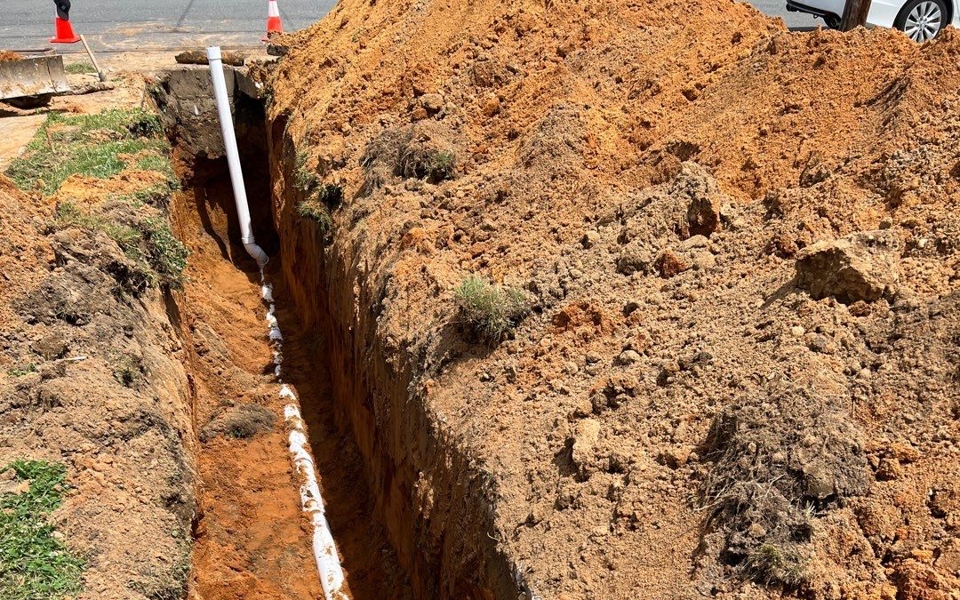
A sewer line inspection can show what is happening inside the pipe without unnecessary digging. Many plumbers use camera inspection equipment to locate cracks, clogs, root intrusion, bellied pipes, corrosion, or collapsed sections. This helps determine whether the line needs cleaning, spot repair, or a more complete replacement. Getting a clear diagnosis can save time, reduce guesswork, and help you choose the most cost-effective repair option.
Repairing Sewer Problems Before an Emergency
Waiting until sewage backs up into the home can lead to expensive cleanup, property damage, and major disruption. Early sewer line repair can help protect your plumbing system, your yard, your foundation, and your family’s comfort. Warning signs like slow drains, foul odors, wet yard spots, gurgling sounds, and recurring clogs should not be brushed aside. If you suspect a sewer line problem, scheduling an inspection now can help prevent a stressful plumbing emergency later.