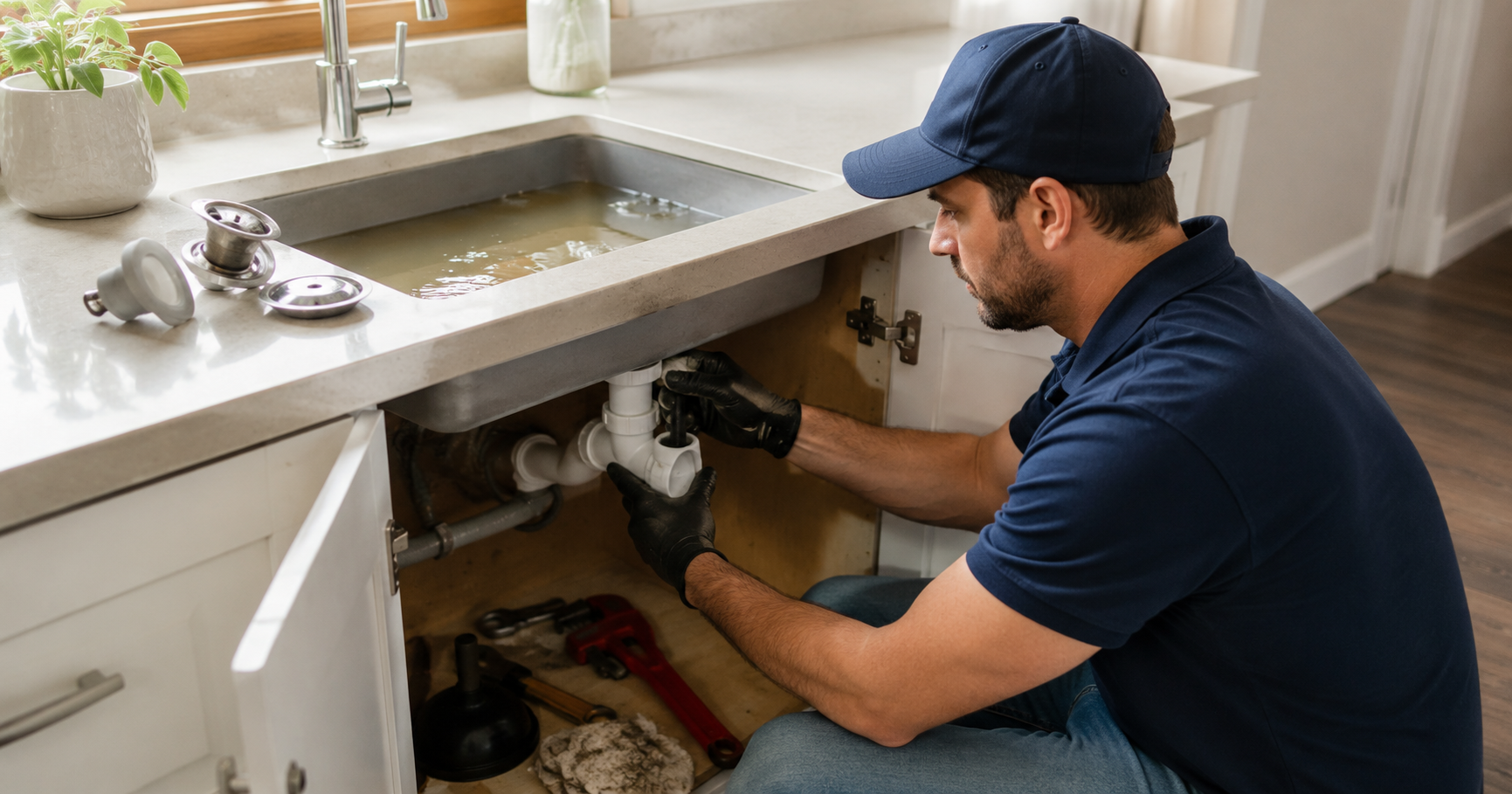
A clogged sink is one of the most common plumbing problems homeowners deal with, but that does not make it any less frustrating. Whether it happens in the kitchen, bathroom, laundry room, or utility area, a slow or blocked drain can interrupt your routine and create bigger concerns if it keeps coming back. Many sink clogs start small, then build over time as grease, soap, hair, food particles, and debris collect inside the drain line. Understanding why your sink keeps clogging can help you solve the problem properly instead of relying on temporary fixes.
Common Reasons Sinks Keep Clogging
A sink may clog once because something accidentally went down the drain, but repeated clogs usually point to a larger issue. The cause may be buildup inside the pipe, poor drainage habits, an old plumbing system, or a blockage farther down the line. In some cases, the problem is not the sink itself but the connected drain system beneath it. Finding the cause is the first step toward choosing the right solution and preventing the clog from returning.
Grease and Oil Buildup in Kitchen Sinks
Kitchen sinks often clog because grease, cooking oil, and food residue collect inside the drain. Even when grease is poured down as a liquid, it can cool, thicken, and stick to the walls of the pipe. Over time, small food scraps and other debris cling to the grease and narrow the drain opening. To help prevent this, avoid pouring grease into the sink and wipe greasy pans with a paper towel before washing them.
Food Scraps and Garbage Disposal Problems
A garbage disposal can handle some small food waste, but it is not designed for everything. Coffee grounds, eggshells, pasta, rice, potato peels, fibrous vegetables, and large food scraps can create clogs or jam the disposal. These materials may expand, tangle, or settle in the drain line instead of washing away cleanly. Running cold water before, during, and after using the disposal can help, but the best approach is to throw problem foods in the trash or compost.
Hair and Soap Scum in Bathroom Sinks
Bathroom sinks usually clog because of hair, soap residue, toothpaste, shaving cream, and personal care products. Hair can catch on the drain stopper, then combine with soap scum to form a stubborn blockage. This type of clog often builds slowly, causing the sink to drain a little worse each week. Cleaning the stopper regularly and using a simple drain screen can help keep hair and debris out of the pipe.
Mineral Buildup From Hard Water
Hard water can leave mineral deposits inside plumbing fixtures and pipes. Over time, these deposits can reduce the space inside the drain and make it easier for soap, hair, and debris to stick. If your sink clogs often and you notice white residue around faucets or drains, hard water may be part of the problem. A plumber can inspect the drain and recommend cleaning or water treatment options if mineral buildup is affecting your plumbing.
Problems With the P-Trap
The P-trap is the curved pipe beneath the sink that holds a small amount of water to block sewer gases from entering the home. Because of its shape, it can also catch debris, jewelry, food particles, and other items that slip down the drain. If the P-trap becomes packed with buildup, the sink may drain slowly or stop draining altogether. Cleaning the trap can often solve a localized clog, but it should be done carefully to avoid leaks or improper reassembly.
Too Much Drain Cleaner
Chemical drain cleaners may seem like an easy solution, but using them too often can create problems. These products can be harsh on pipes, especially older plumbing, and they may only burn through part of the clog. That can leave buildup behind, allowing the blockage to return again later. If your sink keeps clogging after repeated use of drain cleaner, it is time to stop treating the symptom and have the drain properly inspected.
Poor Drain Slope or Plumbing Design
Sometimes a sink keeps clogging because the drain line does not have the right slope or layout. Pipes need proper pitch to allow wastewater and debris to move away from the fixture. If the line is too flat, poorly installed, or has too many awkward turns, material can settle and collect in the pipe. A professional plumber can evaluate the layout and determine whether the drain design is contributing to repeat clogs.
Old or Corroded Pipes
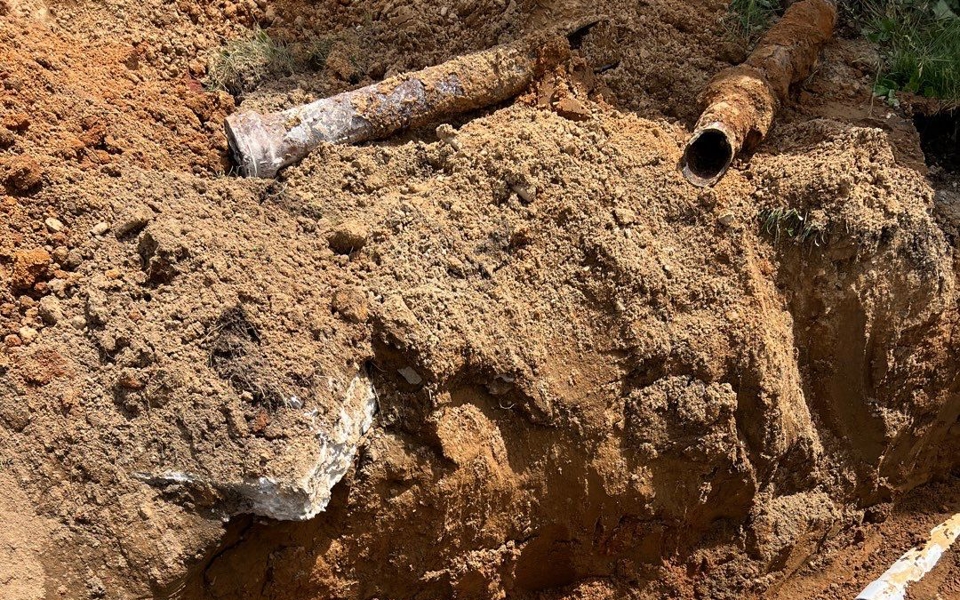
Older pipes can become rough, narrowed, or corroded on the inside. When the interior pipe surface is no longer smooth, grease, soap, hair, and debris can catch more easily. This can make clogs more frequent, even if you are careful about what goes down the drain. If your home has aging plumbing and recurring sink clogs, pipe condition may be a major factor.
A Blockage Deeper in the Drain Line
If more than one sink or fixture drains slowly, the problem may be deeper than the sink drain. A blockage in a branch line or main drain can cause repeated clogs, gurgling sounds, bad smells, or water backing up into nearby fixtures. This type of problem usually cannot be fixed with a plunger or basic drain tool. A professional drain inspection can locate the blockage and determine whether cleaning, repair, or further plumbing work is needed.
Warning Signs of a Bigger Plumbing Problem
Recurring clogs are not the only sign that something may be wrong with your plumbing. Watch for slow drains throughout the home, sewage odors, gurgling sounds, water backing up, or wet spots near plumbing areas. These symptoms can point to venting issues, drain line damage, or sewer line trouble. Acting early can help prevent a small drain problem from turning into a larger repair.
What You Can Do at Home
There are several safe steps homeowners can take to reduce sink clogs. Use drain screens, keep grease out of kitchen sinks, clean bathroom stoppers, run plenty of water when using the garbage disposal, and avoid flushing debris down the drain. For minor buildup, flushing the drain with hot water may help loosen residue in some cases. Good daily habits can go a long way toward keeping your sink drains clear.
When to Call a Plumber
You should call a plumber if the same sink keeps clogging, multiple drains are slow, water backs up, or odors come from the drain. Professional plumbers have tools that can clear blockages more thoroughly than store-bought products. They can also inspect the pipe to find hidden problems like corrosion, improper slope, or deeper drain line obstructions. Getting expert help can save time, protect your plumbing, and reduce the chance of repeat clogs.
How Professional Drain Cleaning Helps
Professional drain cleaning removes buildup more effectively than temporary household fixes. Depending on the problem, a plumber may use a drain snake, auger, hydro jetting, or camera inspection to clear the line and identify the cause. This helps restore proper flow and gives you a better understanding of why the clog happened. When the source is addressed, the sink is less likely to clog again soon after service.
Preventing Future Sink Clogs
Preventing clogs starts with paying attention to what goes down the drain. Grease, hair, soap residue, food scraps, and personal care products are some of the most common causes of repeated blockages. Regular cleaning, better drain habits, and professional maintenance when needed can help keep your plumbing system working properly. A little prevention is much easier than dealing with a sink that backs up during a busy morning or meal cleanup.
Keep Your Sink Draining the Right Way
A sink that keeps clogging is usually trying to tell you something. The issue may be grease buildup, hair, soap scum, food waste, old pipes, poor drain design, or a deeper blockage in the plumbing system. While simple habits can help prevent many clogs, recurring problems should be inspected before they lead to backups or pipe damage. By understanding the cause and getting the right help when needed, you can keep your sink draining smoothly and protect your home’s plumbing.