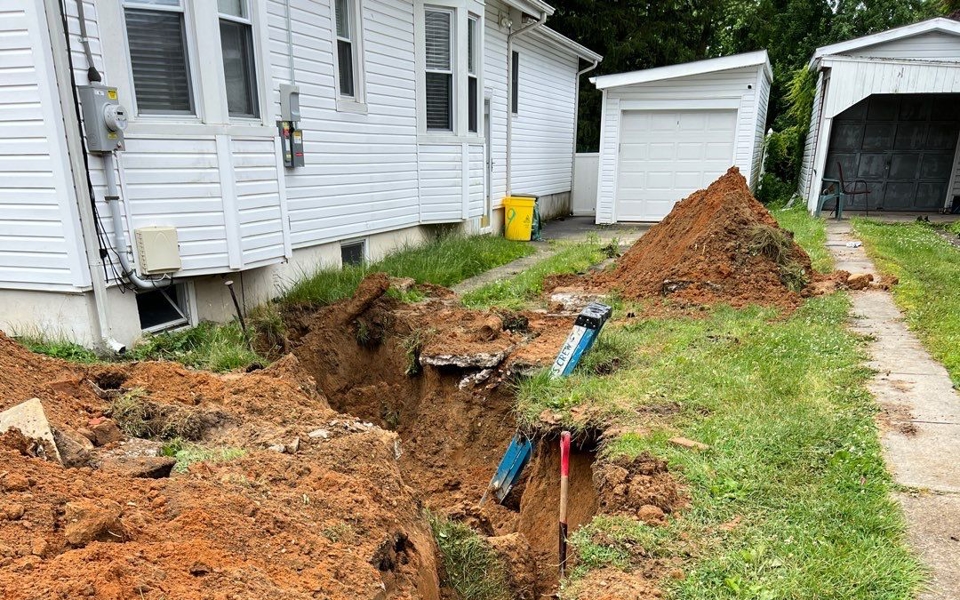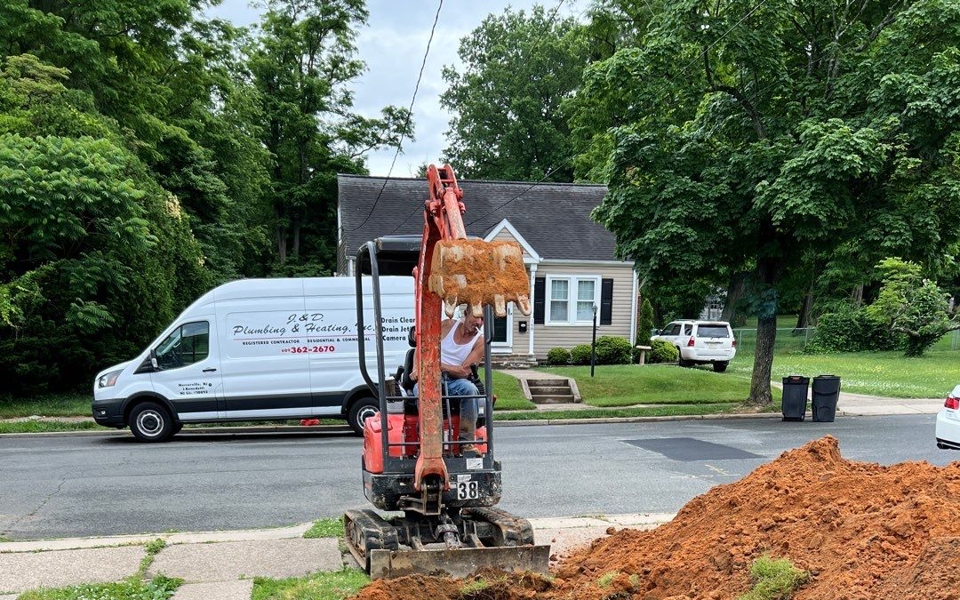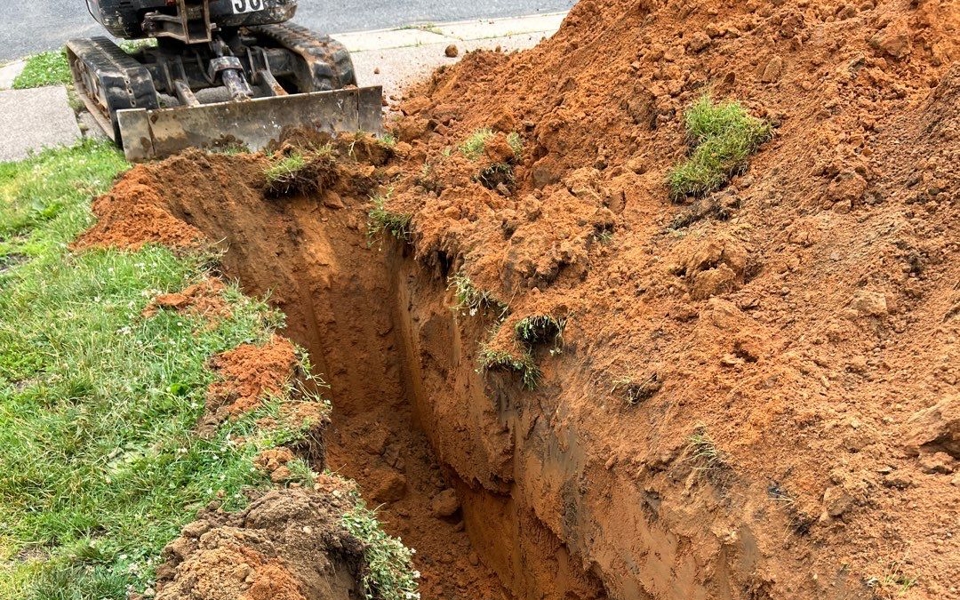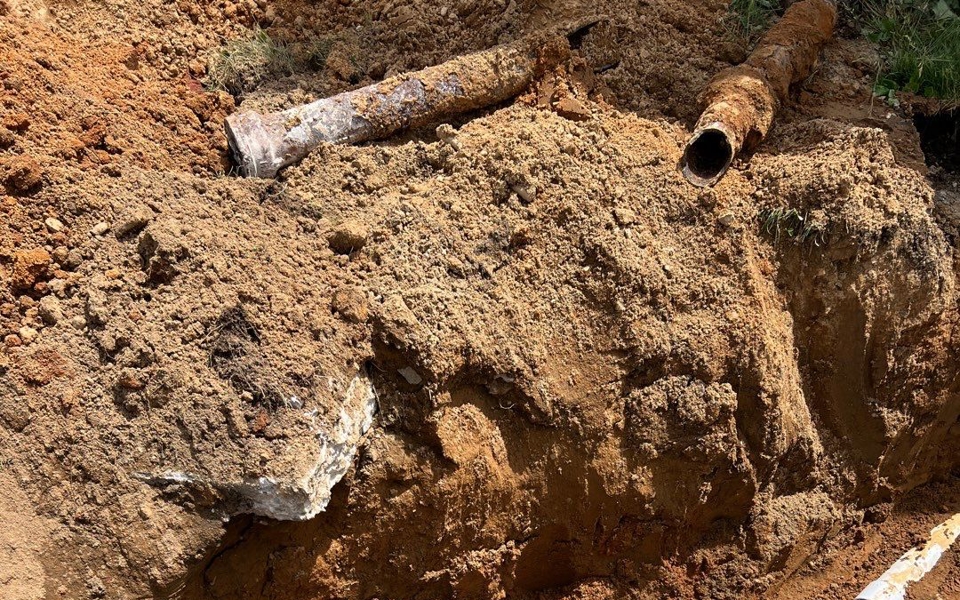
Many homes throughout Central New Jersey were built decades ago and still feature original plumbing systems that have reached the end of their expected lifespan. While older homes often have charm and character, aging pipes can create a variety of problems, from reduced water pressure to frequent leaks. Repiping your home can improve reliability, efficiency, and water quality while preventing ongoing plumbing issues. Understanding when pipe replacement makes sense can help homeowners protect their investment and maintain a safer, more functional home.
Understanding the Need for Repiping in Older Homes
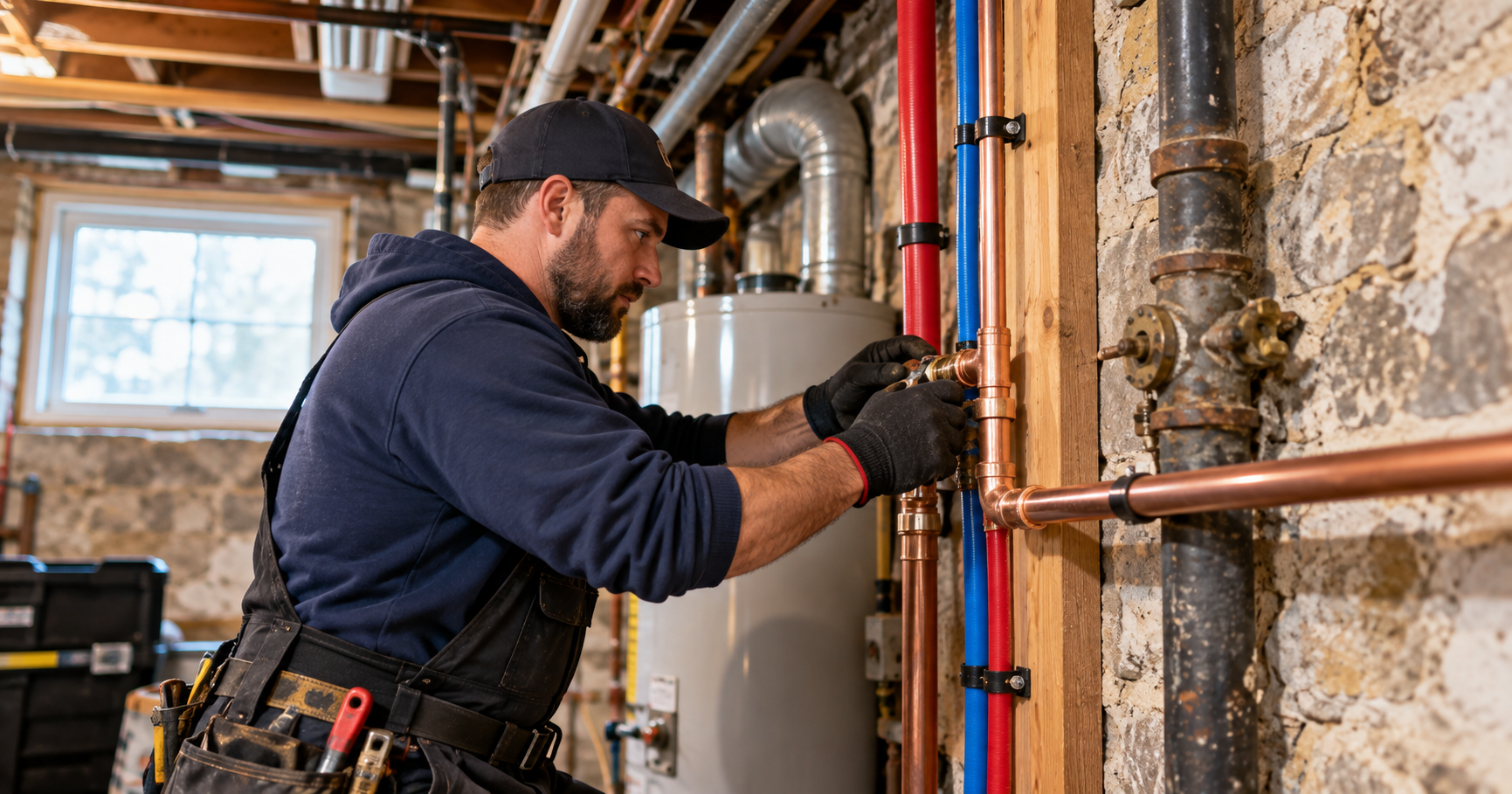
Repiping involves replacing old or failing plumbing pipes throughout a home with new, durable materials. In many Central NJ homes, original plumbing systems were installed with materials that may corrode, deteriorate, or become less effective over time. While occasional repairs may solve individual problems, widespread pipe issues often indicate that a larger solution is needed.
A professional plumber can evaluate your existing system and determine whether repairs are enough or if a full or partial repipe would provide a better long-term solution. Repiping is not always necessary for older homes, but it can be a valuable upgrade when plumbing problems become frequent or disruptive.
Signs Your Home May Need New Pipes
Recognizing the warning signs of aging plumbing can help you address problems before they lead to major damage. One of the most common indicators is frequent leaks. If you are repeatedly repairing leaking pipes, the plumbing system may be deteriorating throughout the home rather than experiencing isolated issues.
Other signs include discolored water, low water pressure, unusual noises from pipes, slow drainage, and visible corrosion around plumbing connections. These issues can indicate that your pipes are no longer performing as they should. If you notice multiple warning signs at once, it may be time to consider repiping.
Low Water Pressure and Poor Plumbing Performance
Low water pressure is a common complaint in older homes and can often be linked to aging pipes. Over time, mineral deposits, corrosion, and buildup can restrict the inside of pipes, reducing the amount of water that flows through your plumbing system.
Repiping can restore proper water flow and improve the overall performance of your fixtures. Homeowners may notice stronger showers, faster faucet flow, and more consistent water pressure throughout the house. A modern plumbing system can make everyday tasks more convenient and enjoyable.
Protecting Your Home From Water Damage
Aging pipes can increase the risk of leaks and water damage. Small leaks hidden behind walls or under floors can go unnoticed for long periods, causing mold growth, structural damage, and expensive repairs. Older plumbing materials may be especially vulnerable to cracking, corrosion, or failure.
Replacing deteriorating pipes helps reduce the chances of unexpected plumbing emergencies. A new piping system provides greater peace of mind by creating a more reliable foundation for your home’s water supply.
Improving Water Quality With New Plumbing Materials
The condition of your pipes can affect the quality of the water coming into your home. Older pipes may develop corrosion or buildup that impacts water appearance, taste, and overall cleanliness. Replacing outdated plumbing materials with modern options can help improve water delivery throughout your home.
Professional repiping projects often use durable materials designed to resist corrosion and provide long-lasting performance. This upgrade can help homeowners feel more confident about the water flowing from their faucets and fixtures.
Choosing Between Partial and Whole-Home Repiping
Not every home requires a complete plumbing replacement. In some situations, a partial repipe may be enough to address specific problem areas, such as a bathroom renovation or a section of damaged piping. However, homes with widespread plumbing issues may benefit more from a whole-home repiping project.
A plumbing professional can assess the condition of your system and recommend the best approach based on your home’s age, pipe materials, and current problems. Choosing the right solution ensures you receive the benefits of new plumbing without unnecessary work.
The Benefits of Modern Pipe Materials
Today’s plumbing systems often use materials designed for durability, efficiency, and long-term performance. Options such as PEX and other modern piping materials provide flexibility, resistance to corrosion, and reliable water delivery.
Upgrading outdated pipes with newer materials can help reduce maintenance needs and extend the life of your plumbing system. These improvements can be especially beneficial for older Central NJ homes that still rely on original plumbing installations.
Repiping During Home Renovations
Many homeowners choose to repipe their homes while completing other renovation projects. Remodeling a kitchen, bathroom, or basement often provides easier access to existing plumbing lines, making it an ideal time to upgrade aging pipes.
Combining repiping with a renovation can improve efficiency and reduce the need for future disruptions. It also allows homeowners to create a more modern, reliable plumbing system while enhancing the overall value of their property.
Why Professional Evaluation Matters
Repiping is a significant home improvement project that requires careful planning and expertise. A qualified plumbing professional can inspect your current system, identify problem areas, and explain your available options. They can also help you understand the expected timeline, costs, and benefits of replacement.
Professional installation ensures that your new plumbing system meets current standards and performs properly for years to come. Attempting to ignore aging pipes or rely only on temporary repairs can lead to more expensive problems in the future.
Invest in a More Reliable Plumbing System
For many older Central NJ homes, repiping can be a smart investment that improves comfort, safety, and long-term reliability. While replacing pipes may seem like a major undertaking, the benefits often outweigh the costs when an aging system continues to cause problems.
By paying attention to warning signs and consulting with an experienced plumber, homeowners can determine when pipe replacement makes sense. A modern plumbing system provides better performance, fewer repairs, and greater confidence that your home is prepared for the future.