Summer in Central New Jersey brings warm weather, backyard gatherings, family visits, and more water use throughout the home. Between extra showers, outdoor watering, laundry, and seasonal storms, your plumbing system can face more stress than usual. Knowing the most common summer plumbing problems can help you spot issues early, prevent damage, and keep your home running smoothly.
Clogged Kitchen Drains
Summer cookouts and family meals can put extra strain on kitchen drains. Grease, food scraps, fruit peels, coffee grounds, and starchy foods can collect inside pipes and create plumbing issues and stubborn clogs. To avoid slow drains or backups, scrape plates into the trash and avoid pouring grease or oil down the sink.
Garbage Disposal Problems
Garbage disposals often work harder during summer when homeowners prepare more fresh produce and entertain guests. Corn husks, watermelon rinds, bones, pasta, and fibrous vegetables can jam the disposal or clog the drain line. Running cold water while using the disposal and feeding waste in small amounts can help reduce the risk of problems.
Sewer Line Backups
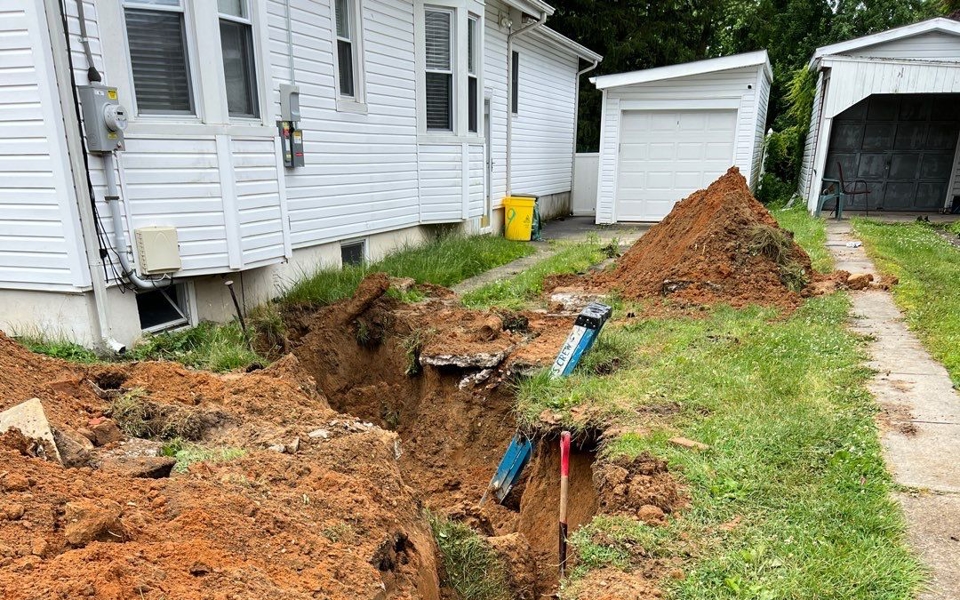
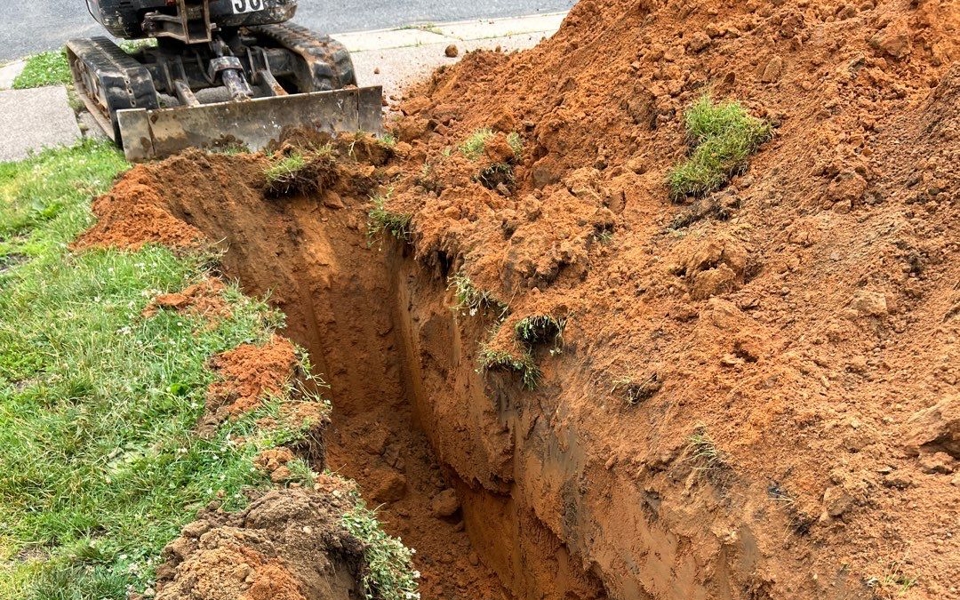
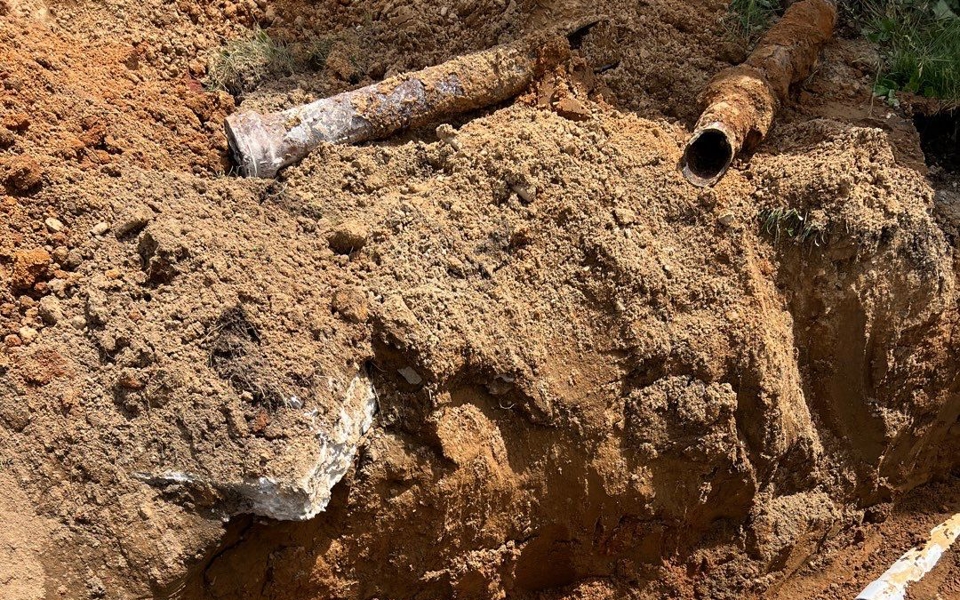
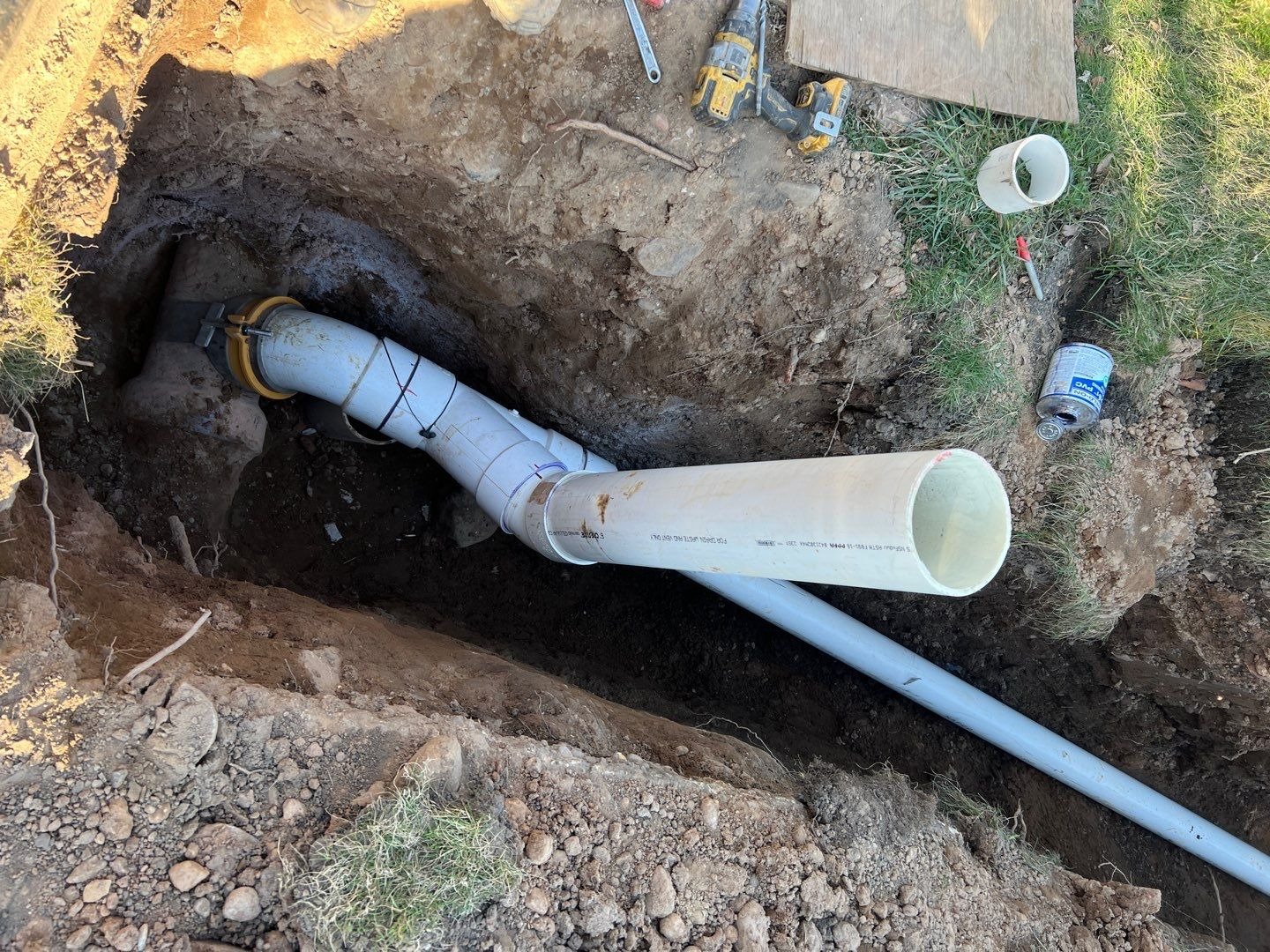
Heavy summer rain can overwhelm sewer systems and increase the risk of backups, especially in older Central New Jersey homes. Tree roots can also grow into sewer lines and cause blockages that become worse during wet weather. Warning signs include gurgling drains, sewage odors, slow fixtures, or water backing up in tubs, toilets, or basement drains.
Sump Pump Failures
Summer thunderstorms can bring sudden downpours, making a working sump pump essential for many homes. If the pump is clogged, unplugged, underpowered, or near the end of its life, your basement may be at risk for flooding. Testing the sump pump before storm season and keeping the pit clear can help protect your home from water damage.
Leaky Outdoor Faucets
Outdoor spigots and hose bibs get used often during the summer for gardening, washing cars, filling pools, and cleaning patios. A small leak may not seem serious, but it can waste water and increase your utility bills over time. If you notice dripping, low pressure, or water around the foundation, have the faucet checked before the problem gets worse.
Sprinkler System Leaks
Irrigation systems can develop leaks from cracked lines, broken sprinkler heads, or damaged connections. These problems may lead to soggy patches in the yard, uneven watering, low pressure, or higher water bills. A quick inspection at the start of summer can help catch hidden leaks before they waste water or damage your landscaping.
Toilet Clogs and Overflows
When kids are home from school or guests are visiting, bathrooms often see more use than normal. Extra toilet paper, wipes, small toys, and hygiene products can lead to plumbing problems or messy overflows. Only toilet paper should be flushed, and recurring clogs should be inspected by a plumber because they may point to a deeper drain issue.
Water Heater Strain
Even in summer, your water heater still works hard to support showers, laundry, dishwashing, and guest use. If you have visitors staying over or more people showering after outdoor activities, an older water heater may struggle to keep up. Inconsistent hot water, strange noises, rusty water, or leaks around the tank are signs that the system needs attention.
Washing Machine Hose Leaks
Summer often means more laundry from beach towels, sports uniforms, gardening clothes, and guest bedding. Washing machine hoses can crack, loosen, or burst, especially if they are old or made of rubber. Inspecting hoses for bulges, leaks, or corrosion can help you avoid a sudden laundry room flood.
Low Water Pressure
Low water pressure can become more noticeable in summer when several fixtures are being used at once. Showers, sprinklers, washing machines, and outdoor hoses may compete for water, making pressure issues easier to spot. If pressure drops suddenly or affects only part of the home, there may be a leak, clog, valve problem, or pipe issue.
Slow Shower and Tub Drains
More frequent showers can lead to more hair, soap scum, sunscreen, dirt, and sand entering bathroom drains. Over time, this buildup can cause slow drainage, standing water, or unpleasant odors. Drain screens and regular cleaning can help, but stubborn clogs may require professional drain cleaning to fully clear the line.
Hidden Pipe Leaks
Warm weather and higher water usage can expose leaks that went unnoticed during the rest of the year. Hidden leaks may show up as damp walls, musty smells, ceiling stains, warped flooring, or unexplained increases in your water bill. Finding and fixing leaks early can prevent mold growth, structural damage, and costly repairs.
Basement Drain Problems
Basement floor drains are easy to forget until a storm or plumbing backup happens. Dirt, debris, lint, and sediment can collect in the drain and prevent water from moving away properly. If your basement drain smells bad, drains slowly, or backs up during rain, it is time to have the line inspected.
Vacation Plumbing Issues
Many Central New Jersey homeowners travel during the summer, which can leave plumbing problems unnoticed for days. A small leak, running toilet, or water heater issue can cause major damage while no one is home. Before leaving, check visible plumbing, turn off unnecessary water supplies, and ask someone you trust to watch for signs of trouble.
Keep Your Plumbing Ready for Summer
Summer plumbing problems are easier to manage when you catch them early. From clogged drains and leaking outdoor faucets to sump pump failures and sewer line backups, seasonal issues can quickly disrupt your home if they are ignored. With routine inspections, smart water habits, and help from a licensed Central New Jersey plumber, you can enjoy the season with fewer plumbing surprises.