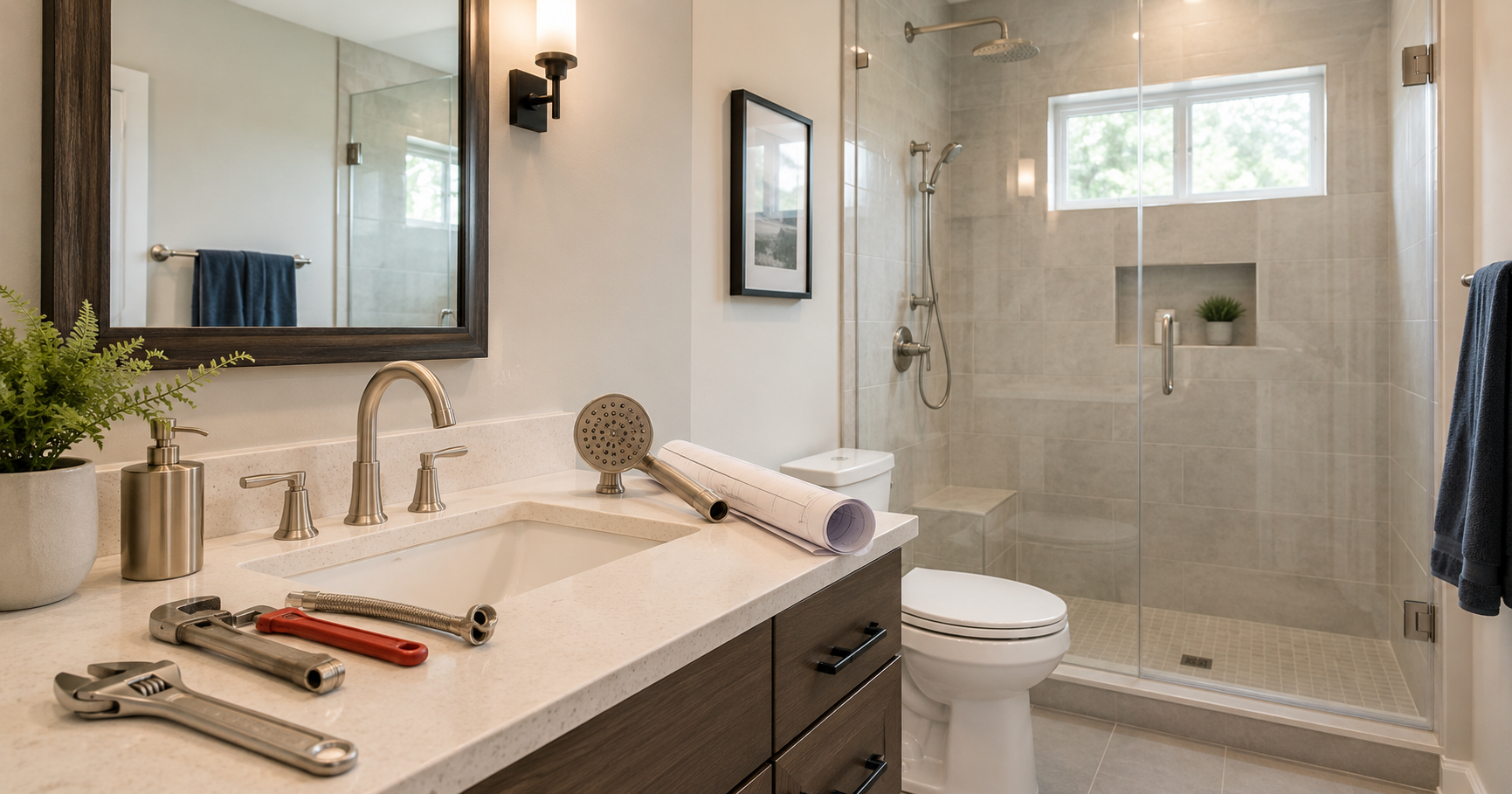
A bathroom upgrade can make your home feel cleaner, more comfortable, and more valuable, but the best results start behind the walls. New tile, lighting, and vanities get most of the attention, yet plumbing decisions affect how well your bathroom works every day. Before choosing finishes, it helps to think through water pressure, drainage, fixture placement, and access for future repairs.
Start With a Clear Plumbing Plan
Before any demolition begins, map out what is staying, what is moving, and what needs to be replaced. Keeping showers, sinks, and toilets in the same locations usually saves money because the existing supply and drain lines can often be reused. If you want to move fixtures, talk with a licensed plumber early so you understand what is possible, what permits may be needed, and how the changes could affect your budget.
Check Your Existing Pipes First
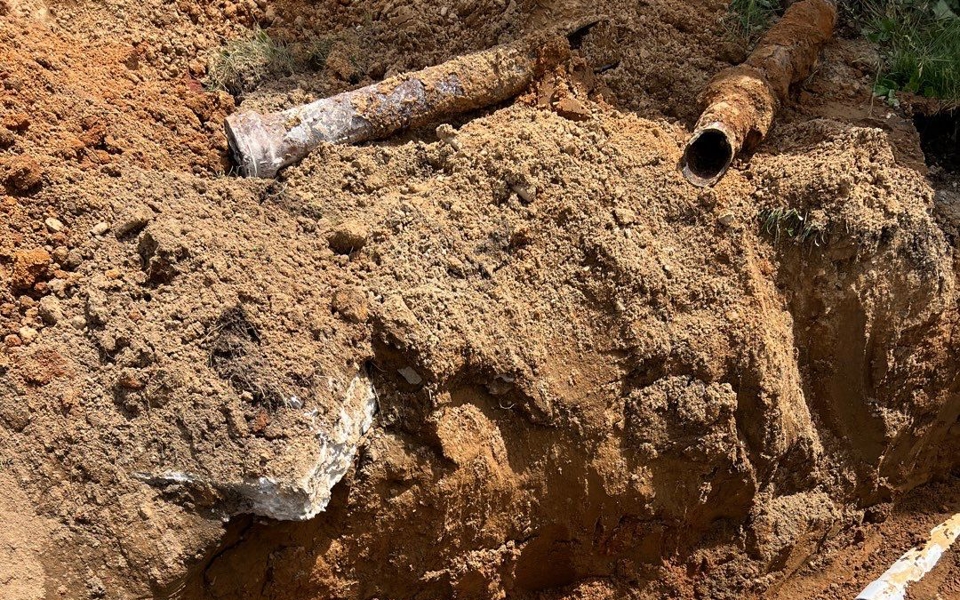
Older bathrooms may have hidden plumbing issues that only show up once walls or floors are opened. Corroded pipes, slow leaks, poor water pressure, or outdated materials can cause problems after the remodel is finished. A plumbing inspection can help you decide whether to repair, reroute, or replace pipes while the space is already under construction, which is much easier than tearing into a brand-new bathroom later.
Plan Shower Plumbing Around Comfort
The shower is one of the most important parts of any bathroom upgrade, so it deserves careful planning. Make sure your plumbing system can support the showerhead, handheld sprayer, body jets, or rain shower you want to install. High-flow features may look appealing, but they need enough water pressure, proper valve sizing, and reliable drainage to work correctly without creating weak flow or standing water.
Choose the Right Shower Valve
A quality shower valve helps control temperature, pressure, and overall shower performance. Pressure-balancing valves are common and help reduce sudden temperature changes when another fixture is used, while thermostatic valves offer more precise temperature control. Choosing the right valve during your bathroom renovation can improve safety, comfort, and long-term reliability, especially in homes with children, older adults, or shared bathrooms.
Do Not Overlook Shower Drainage
Good drainage is just as important as good water flow. A shower drain must be properly sized, correctly sloped, and placed where water naturally flows, especially in walk-in showers or curbless designs. Poor drainage can lead to puddles, slippery floors, odors, and moisture damage, so this is one area where professional installation is worth it.
Think Carefully About Sink Placement
Bathroom sinks need enough space for daily use, but they also need smart plumbing access. If you are switching from a single vanity to a double vanity, your plumber may need to add supply lines, drain connections, and proper venting. Make sure the vanity style you choose works with the existing plumbing, since some floating vanities, drawer-heavy cabinets, and vessel sinks require special planning.
Upgrade Faucets With Function in Mind
Bathroom faucets come in many styles, including single-handle, widespread, wall-mounted, and touchless options. The right choice depends on your sink design, countertop layout, water pressure, and cleaning preferences. Wall-mounted faucets can create a clean, modern look, but they require precise rough-in plumbing inside the wall, so they are best planned before drywall, tile, or backsplash work begins.
Match Fixtures to Your Water System
Not every fixture works well with every home plumbing system. Some luxury showerheads, freestanding tubs, and high-end faucets require specific flow rates, pressure levels, or water heater capacity. Before buying fixtures, check their plumbing requirements so you do not end up with beautiful products that underperform once installed.
Consider Water Efficiency
Water-efficient fixtures can lower utility bills without sacrificing comfort when chosen correctly. Look for low-flow showerheads, efficient faucets, and modern toilets that are designed to reduce water use while still performing well. These upgrades are especially useful in busy households, and they can also make your bathroom more attractive to future buyers who care about long-term operating costs.
Make Room for Shutoff Valves
Accessible shutoff valves are a small detail that can save you from major headaches. Every sink, toilet, and shower should have a practical way to stop water flow when repairs or emergencies happen. During a bathroom upgrade, ask your plumber to check that shutoff valves are easy to reach, working properly, and not hidden behind permanent cabinets or finished surfaces.
Protect Against Moisture Problems
Bathrooms create a lot of humidity, and plumbing leaks can make moisture problems worse. Proper waterproofing around showers, tubs, sinks, and floors helps protect framing, subfloors, and walls from damage. Pairing good plumbing work with strong ventilation and quality sealing reduces the risk of mold, mildew, peeling paint, and expensive repairs.
Plan for Future Repairs
A beautiful bathroom should still be serviceable. Access panels, removable vanity sections, and smart fixture placement can make future plumbing repairs faster and less disruptive. It may not be the most exciting part of bathroom design, but planning for maintenance can protect your investment and keep small issues from turning into major damage.
Work With Licensed Plumbing Professionals
DIY updates may be fine for painting or changing accessories, but plumbing mistakes can be costly. A licensed plumber can help with code requirements, permits, drain sizing, venting, waterproofing coordination, and safe fixture installation. Professional guidance is especially important when moving plumbing lines, adding a second sink, installing a custom shower, or upgrading old pipes.
Build a Bathroom That Works Beautifully
A successful bathroom upgrade balances style with dependable plumbing. Showers need the right valves and drainage, sinks need proper placement and access, and fixtures need to match your home’s water system. When you plan the plumbing details before choosing the final finishes, you create a bathroom that looks great, works smoothly, and holds up for years.